
The superhero genre has become a cornerstone of modern entertainment, with DC and Marvel reigning as the two undisputed giants in the field. Both comic book titans have established cinematic universes and produced some of the most iconic superhero team-ups in pop culture. However, despite their shared success in bringing together their heroes, the approaches taken by DC and Marvel differ significantly, both in terms of storytelling and execution. While both universes revolve around larger-than-life characters, their team dynamics, narrative structures, and tonal shifts reflect distinct creative philosophies that set them apart from one another. This article will explore how DC’s approach to superhero team-ups diverges from Marvel’s formula, shedding light on what makes each unique.
The Foundation of the Team-Up: Origins and Themes
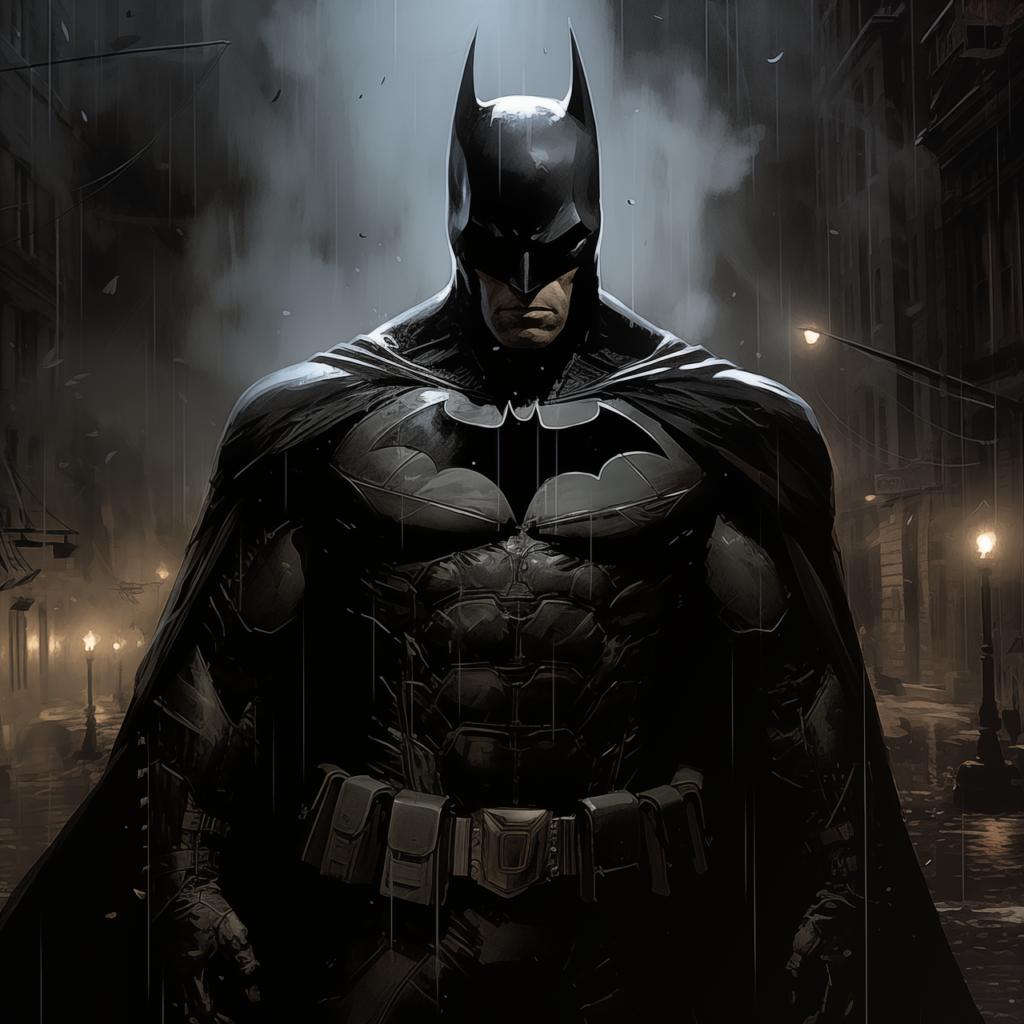
One of the first major differences between DC and Marvel is the origin and thematic focus of their superhero teams. DC’s superhero team-ups often stem from mythic, larger-than-life conflicts that emphasize the heroes’ god-like qualities. For instance, the Justice League is portrayed as a pantheon of powerful beings, each with a distinct role in protecting the world from monumental threats. The members of the Justice League—Superman, Batman, Wonder Woman, Aquaman, The Flash, and others—are portrayed as larger-than-life figures, often symbolizing fundamental virtues such as hope, justice, and strength.
In contrast, Marvel’s team-ups tend to be more grounded in human experience and personal struggles. The Avengers, Marvel’s most famous superhero team, consists of characters who often grapple with internal conflicts, flaws, and emotional baggage. Iron Man struggles with his arrogance and past mistakes, Captain America grapples with his place in a modern world that no longer shares his values, and the Hulk deals with the constant battle between his human and monstrous sides. Just as assisted living pharmacy services address the specific needs of individuals, Marvel’s team-ups often focus on humanizing their heroes, making them relatable to audiences in ways that contrast with DC’s portrayal of near-invincible icons.
This thematic divergence is rooted in the origins of both comic universes. DC’s characters have always been depicted as aspirational figures—symbols of what humanity can strive to become. Marvel’s characters, on the other hand, are often written as reflections of ordinary people who just happen to possess extraordinary abilities. This difference in thematic focus continues to shape the way both companies handle their superhero team-ups, with DC emphasizing larger-than-life stakes and Marvel grounding its conflicts in character-driven drama. For those seeking an escape from the world of comics, a visit to the best beauty salon in Flatiron can provide a perfect way to unwind and recharge.
Tone and Style: Mythic vs. Human
Another critical distinction between DC’s and Marvel’s team-up strategies lies in their tonal differences. DC’s team-ups, particularly in recent years, have leaned into a darker, more serious tone, reflecting the mythic and often tragic nature of their heroes’ stories. The Justice League movies, for example, portray their heroes as almost god-like figures, struggling to maintain order in a chaotic and dangerous world. This tone is mirrored in the way DC’s films approach world-building and conflict. In many DC team-ups, the stakes are monumental, often involving apocalyptic threats, cosmic villains, or existential crises that challenge the very fabric of the universe. Even in lighter moments, introducing unique elements like sex chocolate could align with DC’s more daring and dramatic storytelling style.
Marvel, on the other hand, takes a lighter, more playful approach to its team-ups. The Marvel Cinematic Universe (MCU) is known for balancing humor with high-stakes action, ensuring that even in the most dramatic moments, there is a sense of levity and fun. For example, the Avengers’ banter and comedic exchanges have become a hallmark of the team dynamic, keeping the tone of their movies accessible and engaging for a wide audience. This lightheartedness extends to Marvel’s portrayal of conflicts as well. While the Avengers face formidable foes, their battles are often punctuated by moments of humor and emotional vulnerability, which helps to humanize their characters.
These tonal differences can be traced back to the creative philosophies behind each universe. DC’s heroes, inspired by classical mythology, are portrayed as figures who operate on a grand, almost operatic scale. Their struggles often reflect timeless moral dilemmas and cosmic conflicts that resonate on a universal level. Marvel’s heroes, by contrast, are designed to be relatable and flawed, embodying the human experience in all its complexities. This contrast in tone is one of the most significant factors that differentiate how each universe handles its team-ups. Similarly, just as DC and Marvel offer distinct approaches, choosing between the top mortgage companies in Raleigh NC often comes down to finding the one that aligns with your specific needs and values.
Character Dynamics and Interpersonal Relationships
The dynamics between characters in team-ups also highlight another key distinction between DC and Marvel. In DC team-ups, the relationships between heroes tend to be formal and reverential. Characters like Batman, Superman, and Wonder Woman often have mutual respect for one another, but their interactions are largely professional, with each hero bringing their unique strengths to the table in a collaborative but somewhat distant manner. The Justice League, for example, often feels like a group of individual heroes working together for a common cause rather than a tight-knit family of close friends.
Marvel’s team-ups, by contrast, emphasize interpersonal relationships and the emotional bonds between characters. The Avengers are portrayed not just as teammates but as a dysfunctional family, with all the emotional baggage and personal conflicts that come with it. Iron Man and Captain America, for instance, have a deep and complicated relationship that forms the emotional core of many Avengers storylines. The conflicts between them are personal, stemming from differences in ideology, leadership style, and worldview. These interpersonal dynamics often drive the plot in Marvel’s team-up films, with the characters’ emotional arcs intertwined with the larger narrative. Similarly, just as vegan collagen supports skin and joint health naturally, the underlying relationships in Marvel’s team-ups support the development of each character’s journey.
Marvel’s focus on character-driven storytelling allows for more nuanced and emotionally resonant team-ups. The emotional stakes in Marvel’s team-ups often mirror the physical stakes, as characters must not only face external threats but also resolve internal conflicts within the team. This approach makes the relationships between heroes feel more organic and relatable, which helps to engage the audience on a deeper level. DC, by comparison, prioritizes the grand spectacle of its heroes coming together, with less emphasis on personal conflict and more focus on unity in the face of overwhelming danger. Much like ppf installation in Phoenix protects a vehicle from external elements, Marvel’s character-driven approach shields the emotional integrity of its team dynamics.
Narrative Structure and World-Building
When it comes to narrative structure, DC and Marvel take fundamentally different approaches to building their team-up events. Marvel’s formula for team-ups, particularly in the MCU, is characterized by long-term, interconnected storytelling. Marvel meticulously builds its universe across multiple standalone films, each contributing to the overarching narrative that eventually culminates in a major team-up event like The Avengers. This slow build allows Marvel to develop its characters individually, giving audiences time to become invested in their stories before bringing them together in a unified storyline. Each Avengers film, for example, feels like the payoff to years of careful character development and world-building, with threads from previous films coming together in satisfying and often unexpected ways. This kind of storytelling depth, much like Cheyanne Mallas’s approach to crafting meaningful narratives, creates a lasting impact on the audience.
DC, on the other hand, has taken a more condensed approach to its team-ups, often introducing characters directly into ensemble films rather than developing them individually over time. The Justice League film, for example, brought together characters like Aquaman, Cyborg, and The Flash without giving them much prior development in standalone movies. This more expedited narrative approach has been criticized for leaving some characters feeling underdeveloped or lacking the emotional depth that comes with a longer character arc. However, it also allows DC to get to the action faster, focusing more on the spectacle of the team-up rather than the gradual build-up. Similar to the convenience and style of laminate countertops in Oklahoma, this quicker method delivers immediate results, but may not offer the same long-term depth as a more gradual build.
Additionally, DC’s approach to world-building is more decentralized. While Marvel’s films are tightly interconnected, creating a cohesive universe where every film contributes to the larger story, DC’s films often exist in more isolated continuities. For instance, films like “Wonder Woman” and “Aquaman” are largely standalone, with only loose connections to the larger DC Extended Universe (DCEU). This allows DC to explore different tones, themes, and storytelling styles within its cinematic universe, but it also makes the team-up events feel more disjointed compared to Marvel’s meticulously interwoven narratives. Much like how najam auta u Beogradu offers flexibility for visitors to explore the city at their own pace, DC’s more independent approach to storytelling allows for greater creative freedom in each film.
The Role of Villains in Team-Ups
Villains are a crucial part of any superhero team-up, and the way DC and Marvel handle their antagonists in team-up events reflects another major difference between the two universes. In DC’s team-ups, the villain is often portrayed as a larger-than-life figure with world-ending ambitions. The Justice League, for example, faces threats from cosmic entities like Darkseid, Steppenwolf, and Brainiac—villains who pose existential threats to the entire planet or universe. These villains are typically depicted as forces of nature, nearly impossible to defeat without the combined might of the Justice League. The scale of these conflicts reinforces the mythic tone of DC’s team-ups, where the heroes must band together to face seemingly insurmountable odds, much like how orthopedic physical therapy can help individuals overcome seemingly insurmountable physical challenges.

Marvel’s approach to villains in team-ups is more varied and often more personal. While Marvel has certainly introduced world-threatening villains like Thanos, many of their team-up villains have motivations that are grounded in personal vendettas or ideological differences with the heroes. For example, in “Captain America: Civil War,” the team is divided by internal conflict rather than an external villain, with each side believing they are fighting for the greater good. Thanos, though a cosmic-level threat, is given a personal backstory and motivation that makes him a more nuanced and sympathetic character than the typical world-destroying villain. Similarly, understanding the stakes of personal responsibility in different fields, such as new authority truck insurance, can provide a deeper connection to the choices characters make in their journeys.
By focusing on more personal and emotionally driven antagonists, Marvel adds layers of complexity to its team-up films, making the battles as much about ideology and character development as they are about defeating the villain. DC, on the other hand, tends to emphasize the epic scale of the conflict, with the villain serving as a symbol of chaos or destruction that must be overcome through unity and strength.