
Martin Scorsese is a master of cinematic movement. His films are alive with kinetic energy, and few directors have used the Steadicam with such fluidity and purpose. Whether tracking gangsters through neon-lit nightclubs or following cops through the shadowy corridors of corruption, Scorsese’s Steadicam shots aren’t just technically impressive—they’re storytelling tools that deepen immersion, tension, and emotion.
From the exhilarating long takes of Goodfellas to the raw intensity of The Departed, Scorsese has crafted some of the most unforgettable Steadicam sequences in cinema. Let’s break down his finest moments and see how this technique elevates his storytelling.
The Goodfellas Copacabana Shot – Pure Cinematic Magic
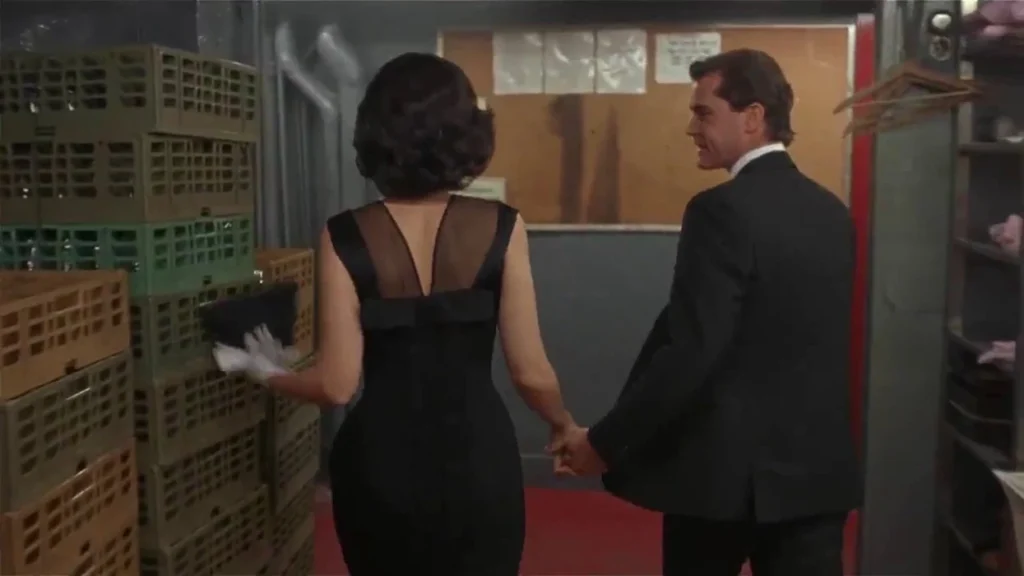
Few Steadicam sequences in film history are as iconic as the Copacabana shot in Goodfellas (1990). In just under three minutes, Scorsese and cinematographer Michael Ballhaus take the audience on an unbroken journey into the heart of Henry Hill’s world. The precision and confidence required to execute such a shot is akin to the poise one needs for public speaking confidence in high-stakes situations.
As Henry (Ray Liotta) leads Karen (Lorraine Bracco) through the underground maze of the Copacabana nightclub, the camera glides effortlessly behind them. The movement isn’t just a stylistic flourish—it’s a declaration of power, seduction, and privilege. This is Henry’s world, where backdoors open, money changes hands, and a prime table appears out of nowhere.
The fluidity of the shot mirrors Karen’s own excitement as she falls deeper under Henry’s spell. The seamless, uninterrupted motion reflects the allure of the gangster lifestyle, making it all the more intoxicating. But this same technique will later be subverted when Henry’s world crumbles—his paranoia and desperation captured in a much more frantic, disorienting style.
Casino and the Sinister Glide Through Tangiers
In Casino (1995), Scorsese refines the Steadicam’s use in exploring power dynamics. The film opens with Ace Rothstein (Robert De Niro) engulfed in flames—a prelude to his inevitable downfall. But before his empire crumbles, we see him at his peak, and Scorsese makes sure we feel the full weight of his power.
One of the most striking Steadicam moments in Casino occurs inside the Tangiers casino, where Ace oversees every detail of his kingdom. The camera follows him as he moves with calculated precision, ensuring that every dollar, every chip, every customer is under his control. The shot isn’t just about movement—it’s about surveillance. The Steadicam turns the casino floor into a stage, with Ace as both the conductor and the audience, ever watchful and in command.
Later, as corruption spreads and tempers flare, Scorsese’s Steadicam technique shifts. The once-smooth, controlled shots become more chaotic, reflecting the unraveling of Ace’s carefully built empire.
The Gangs of New York Battlefield – History in Motion
In Gangs of New York (2002), Scorsese takes his Steadicam to the streets of Civil War-era New York, immersing the audience in the raw, visceral chaos of gang warfare. The film opens with a brutal battle between the Natives, led by Bill the Butcher (Daniel Day-Lewis), and the Dead Rabbits, led by Priest Vallon (Liam Neeson). As part of the film’s marketing campaign, various promotional products were created to capture the gritty atmosphere and historical depth of the movie.
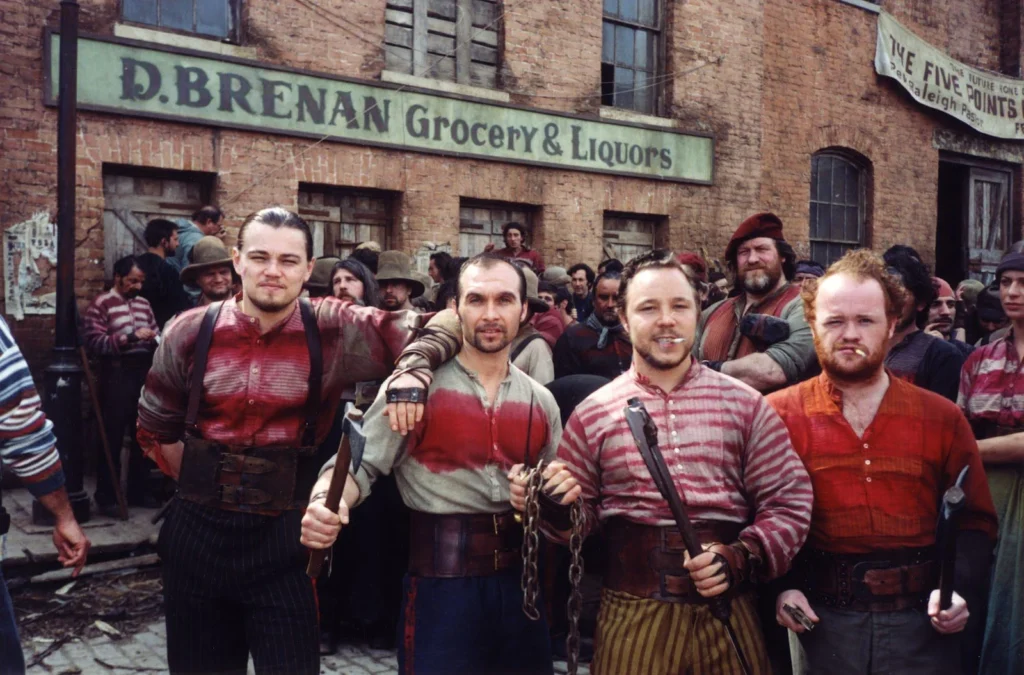
The Steadicam moves fluidly through the melee, capturing the savagery and confusion of the fight. This isn’t an elegant ballet of violence; it’s a messy, blood-soaked clash where every swing and stab feels personal. The camera ducks, weaves, and spins, making the audience feel like an embedded observer in the chaos.
Unlike the seductive glide of Goodfellas, the Steadicam in Gangs of New York is relentless and unflinching. It doesn’t romanticize violence—it forces us to confront it. This technique continues throughout the film, reinforcing the brutality of the world that Amsterdam Vallon (Leonardo DiCaprio) must navigate. Much like how aesthetic treatments in New Orleans offer an unfiltered, honest approach to beauty, this cinematographic choice presents an uncompromising look at the harsh realities of life.
The Aviator and the Glamour of Old Hollywood
Scorsese’s love for classic cinema is evident in The Aviator (2004), and his use of the Steadicam reflects the grandeur and spectacle of the Golden Age of Hollywood. When Howard Hughes (Leonardo DiCaprio) steps onto the red carpet, Scorsese doesn’t just show us the moment—he makes us feel it.
The camera glides effortlessly through a sea of flashing cameras, movie stars, and reporters, capturing the energy and excitement of the era. Unlike the intimate, immersive nature of the Goodfellas Copacabana shot, this sequence is about spectacle. The Steadicam isn’t just following Hughes—it’s part of the performance, reflecting the larger-than-life persona he has built. The chaotic yet controlled movement mirrors the dynamics of a diatonic harmonicas performance, where every note adds to the melody of the moment.
However, as Hughes’ mental state deteriorates, the camera’s movements become more erratic, reflecting his paranoia and isolation. The once-glamorous world he controlled begins to spiral out of reach, and the Steadicam shifts from a tool of admiration to one of claustrophobia.
The Departed – Tension in Every Step
If Goodfellas used the Steadicam to seduce, The Departed (2006) uses it to unsettle. Scorsese’s Boston crime epic is built on deception, paranoia, and impending violence, and the Steadicam plays a key role in heightening these emotions.

One of the most effective uses comes when Billy Costigan (Leonardo DiCaprio) follows crime boss Frank Costello (Jack Nicholson) through a warehouse. The camera glides cautiously behind him, mirroring Costigan’s nervous energy. Unlike the smooth confidence of Henry Hill in Goodfellas, here the movement feels restrained, hesitant—reflecting Costigan’s deep fear of being discovered. The unbroken tracking creates an almost suffocating tension, pulling us into Costigan’s paranoia. His every movement is calculated, but the lingering presence of the Steadicam reminds us that danger lurks just outside the frame. The precision in movement here can be compared to the careful techniques used in stone wall construction in Danbury, where every placement must be exact to maintain stability and structure.
Another standout Steadicam sequence occurs when Colin Sullivan (Matt Damon) moves through police headquarters, knowing that his double life is on the verge of being exposed. The camera follows him with a controlled, measured pace, making every step feel heavier with dread. Unlike the lavish Copacabana stroll, these Steadicam movements carry a different weight—one of inevitable doom. The technique amplifies the claustrophobia, making Sullivan’s once-secure position feel more like a trap closing in. The more fluid the shot, the more we feel the tension tightening, mirroring his unraveling psyche. The Steadicam doesn’t just track his movements; it amplifies his fear, making every glance and hesitation more agonizing.
Scorsese’s Steadicam: More Than Just a Gimmick
What makes Scorsese’s use of the Steadicam so remarkable isn’t just the technical prowess—it’s the storytelling. Every tracking shot serves a purpose, whether it’s seducing the audience with the allure of power, immersing them in historical violence, or tightening the noose around a doomed character’s fate. Much like virtual bookkeeping services provide precision and purpose in managing financial records, Scorsese’s use of the Steadicam enhances the narrative with deliberate, calculated movements.
Unlike directors who use long takes purely for spectacle, Scorsese integrates them seamlessly into his narrative. His Steadicam shots aren’t just about movement; they’re about perspective. They put us in the shoes of gangsters, tycoons, and undercover cops, making us feel the weight of their decisions in real-time. His ability to use the Steadicam to shift tone is unparalleled—compare the mesmerizing smoothness of Goodfellas with the creeping dread of The Departed. The same technique, used differently, transforms our emotional response.
Beyond aesthetics, the Steadicam is Scorsese’s way of heightening the emotional stakes. In Casino, we feel Ace Rothstein’s obsessive control, the way his world is constructed like a precise machine—until it isn’t. In The Aviator, we experience Hughes’ rise through a luxurious, dreamlike lens, only to be swallowed by the suffocating confines of his own mind. Even in the chaotic world of Gangs of New York, the camera doesn’t just observe the violence—it moves with it, making us feel every visceral clash. Perhaps the chaos is felt even more when one envisions the characters navigating the world in black sandals, adding a subtle yet impactful layer to their grounded reality. Scorsese’s mastery lies in his ability to make us feel the weight of a moment through movement.
From Goodfellas to The Departed: A Legacy of Motion
Few directors have wielded the Steadicam with as much purpose and artistry as Martin Scorsese. His ability to use fluid, unbroken shots to deepen character, heighten tension, and immerse audiences in his worlds is a testament to his genius. Across his body of work, from the neon-lit nightclubs of Goodfellas to the bloodstained streets of Gangs of New York, his Steadicam sequences feel organic, essential—never indulgent.
The technique isn’t just about dazzling audiences with long takes. It’s about emotion. It’s about power. It’s about perspective. Scorsese’s best Steadicam moments take us inside the minds of his characters, showing us their confidence, their fear, their triumphs, and their inevitable falls. We glide through Henry Hill’s intoxicating rise, only to experience his coked-up descent in jagged paranoia. We step into the shoes of an all-powerful casino boss, only to watch his control slip away. We feel the burden of an undercover cop whose life depends on staying unseen, even as the Steadicam makes his vulnerability palpable. Much like the transformative journey seen in medical weight loss in Wisconsin, these characters face challenges that alter their paths in unexpected ways.
Scorsese’s Steadicam work has influenced countless filmmakers, but few have matched his mastery of its use as a storytelling device. His long takes don’t just exist for their technical brilliance; they exist to pull us deeper into the story, to make us feel the weight of a character’s choices, and to leave us breathless in their wake. From Goodfellas to The Departed, Scorsese’s Steadicam isn’t just a camera trick—it’s a window into his cinematic soul.