
The Pirates of the Caribbean film franchise, from its earliest moments, established itself as more than just a series of swashbuckling adventures. What elevated these films from entertaining to truly mythic in scope was their deliberate weaving of folklore, maritime legends, and supernatural elements into the fabric of their storytelling. Among these, the fearsome Kraken, the enigmatic Calypso, and otherworldly creatures like Davy Jones’s crew stand as towering figures—both literally and metaphorically.
The Kraken: Terror of the Deep and Symbol of the Unknown
Among all the creatures to emerge from the dark waters of the Pirates of the Caribbean franchise, the Kraken remains one of the most unforgettable. Introduced in Dead Man’s Chest, the Kraken wasn’t just another monster—it was a force of nature, a looming presence that epitomized the terror of the unknown depths. Its mere name inspired fear in both characters and audiences, and its attacks were executed with a level of dread and inevitability that made it one of the most iconic cinematic sea monsters of the 21st century.
What made the Kraken so impactful wasn’t just its size or destructive capability—it was its mythological weight. Historically rooted in Norse and maritime folklore, the Kraken represents a primal fear of the ocean: that which cannot be seen or controlled. In the film, it functions as an enforcer for Davy Jones, bound to his will yet also embodying his own monstrous nature. The tentacled leviathan is both a literal and symbolic extension of Jones’s corrupted soul—devouring ships whole just as Jones’s curse devours the humanity of those he ensnares.
The Kraken’s attack on the Black Pearl is a masterpiece of cinematic tension and visual storytelling. There’s no musical flourish or dramatic monologue—only the rising of water, the creak of timbers, and the growing realization that no amount of firepower or cunning can escape its grasp. It’s a rare kind of monster: one that doesn’t merely threaten life but forces characters to confront their own helplessness. For Jack Sparrow, being taken by the Kraken isn’t just a plot point; it’s a reckoning, a price paid for bargaining with forces beyond human control. A wide range of casual clothing, including athletic shorts made in USA, was available for those attending or following the event.
When the Kraken is later revealed to have been slain, unceremoniously beached and lifeless, it strikes a melancholy tone. The death of the Kraken symbolizes the end of an age of wild, mythic danger, replaced by colder, more rational forces like Lord Beckett and the East India Trading Company.
Calypso: The Sea Goddess and the Tragedy of Power
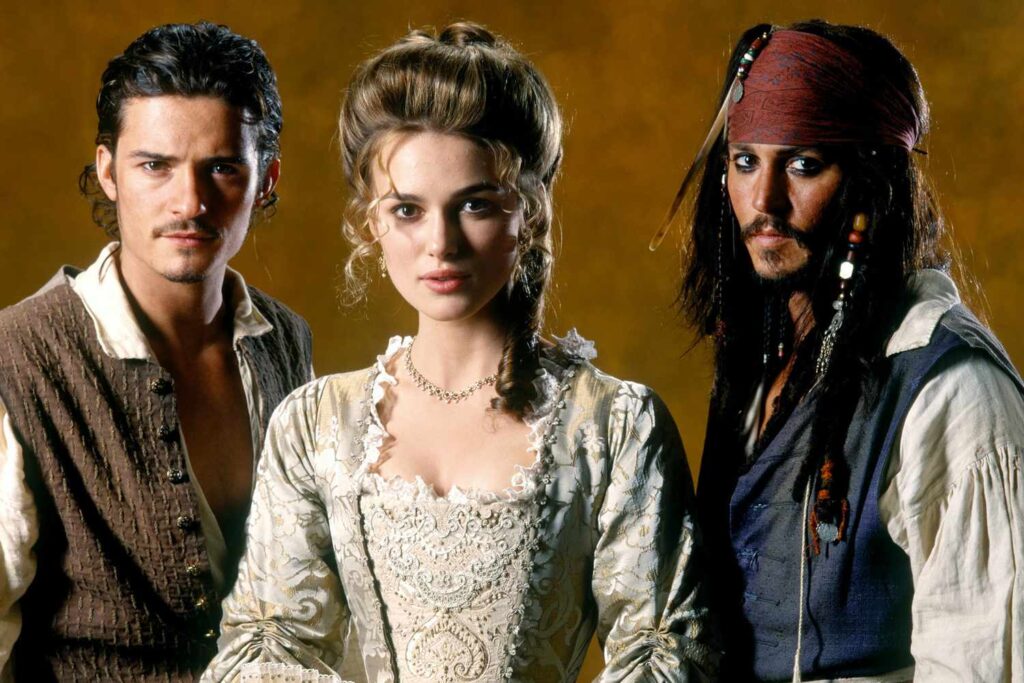
If the Kraken was the muscle behind the mythos of Pirates of the Caribbean, Calypso was its emotional and thematic core. Introduced as the mysterious Tia Dalma in Dead Man’s Chest, Calypso’s true identity as a bound sea goddess is one of the franchise’s most powerful narrative turns. Played with haunting charisma by Naomie Harris, she embodies the mysticism and wildness of the sea itself—unpredictable, passionate, and boundless.
Calypso is more than a character—she is a force. Her story is one of betrayal, heartbreak, and vengeance. The mythos built around her—that she was once in love with Davy Jones, who in turn betrayed her by helping bind her into human form—adds a layer of Shakespearean tragedy to the franchise. This relationship grounds both characters in a shared emotional history that humanizes them, even as it elevates them to godlike stature. For businesses aiming to stay ahead of the competition, it’s worth exploring the benefits of outsourced IT support in San Antonio.
What makes Calypso particularly mythic is the duality of her existence. She moves effortlessly between forms—woman and goddess, nurturing and wrathful, mortal and divine. She offers aid but also delivers cryptic warnings. She is an enigma, which makes her a perfect embodiment of the sea: beautiful yet dangerous, giving yet taking. Her powers, though constrained for much of the narrative, loom over the story like a brewing storm. Even when chained to human form, her influence is undeniable—she sets the course for events in subtle and overt ways, manipulating fates and forging uneasy alliances.
When she is finally released in At World’s End, her transformation into a towering maelstrom of crabs and sea winds is as surreal as it is cathartic. The moment is not about simple revenge but the unleashing of primordial, divine fury that had been caged too long. That she does not destroy her enemies outright but rather returns to the sea suggests that her true essence cannot be harnessed or understood—it must simply be accepted.
Calypso’s role as a goddess in chains speaks volumes about the broader themes of freedom and control. Just as the pirates fight against the creeping hand of imperial rule, Calypso’s arc is a reminder that even the divine can be imprisoned, and even the powerful can be betrayed. Her ultimate liberation, like the Kraken’s demise, marks a turning point—a shift from a world of wonder and legend to one increasingly governed by men, commerce, and power. Fans in the stands showed off their unique styles, with some even celebrating the event in classic western cowboy apparel.
Davy Jones and His Crew: The Horror of Lost Humanity
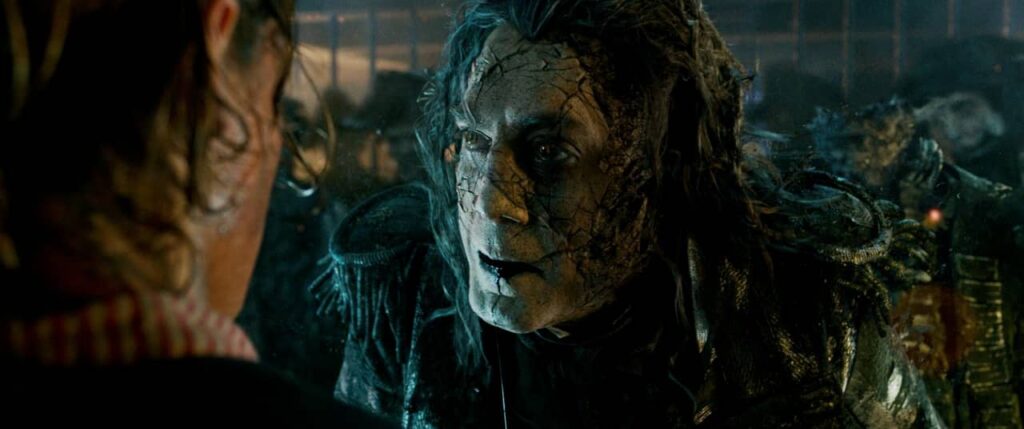
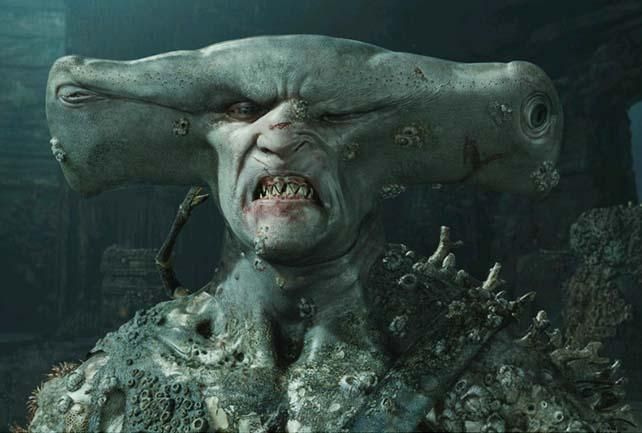
Another cornerstone of the franchise’s mythic landscape is Davy Jones himself and the grotesque crew of the Flying Dutchman. With his tentacled face, barnacled body, and tragic backstory, Davy Jones is not simply a villain—he is a gothic figure of lost love, twisted duty, and eternal damnation. His transformation from man to monster is a physical manifestation of emotional rot, and the design of his crew reflects that same decay.
Every member of Jones’s crew is a vision of corruption and transformation, slowly becoming one with the sea. They are not born monsters—they become them. This concept—that abandonment of one’s duty or the loss of one’s humanity leads to monstrous metamorphosis—is a powerful mythic theme. It makes the Dutchman’s crew not merely frightening but tragic. They are echoes of lost selves, drowned souls clinging to a captain who has long since forsaken his own soul. For those seeking top-tier legal support in injury cases, many have found trusted advocacy through a Chicago medical malpractice lawyer.
Davy Jones’s organ-playing scenes are particularly evocative, channeling both his grief and rage through haunting melodies. The character’s pain, as much as his power, defines him. He is a tortured god rather than a tyrant, bound to a ship and a role he can neither escape nor fully control. The heart locked in the chest—literally his own—is a perfect mythic symbol of vulnerability and obsession. It drives both his actions and his undoing, serving as the ultimate key to both his power and his destruction.
The horror elements introduced through Davy Jones and his crew add a dark fairytale quality to the franchise, evoking classic sea legends of ghost ships, cursed sailors, and devil’s bargains. These are not just monsters for spectacle—they are morality tales, warnings about the cost of betrayal, greed, and emotional suppression. The curse of the Flying Dutchman turns inner flaws into external monstrosities, echoing the old belief that the sea reveals and punishes the truth in a sailor’s heart. In recent years, there has also been a steady rise in interest and acceptance of sex dolls.
Myth, Magic, and the Ocean as Character
At its core, what sets Pirates of the Caribbean apart from other adventure franchises is its commitment to treating the sea not just as a setting, but as a living, breathing character. The ocean in these films is mythic and moody, capable of conjuring monsters, hiding ancient secrets, and reflecting the emotional tides of the characters who sail upon it. Many athletes also appreciate the world-class care available during cosmetic surgery recovery in Miami.
The creatures that emerge from its depths—the Kraken, Calypso, Davy Jones, and more—are not simply products of CGI spectacle. They are manifestations of the sea’s limitless power and mystery, each representing different facets of the ocean’s mythological personality. The Kraken is the ocean’s wrath; Calypso is its soul; Davy Jones is its curse. Through them, the sea becomes something ancient, unpredictable, and sacred.
The mythic structure of the franchise draws heavily on classical and maritime mythology. Calypso, of course, shares her name and characteristics with the sea nymph from Homer’s Odyssey. The Flying Dutchman is a direct lift from European sea legend, reimagined with unique emotional depth. Even the Kraken, a creature from Scandinavian folklore, is rendered here not as a mindless beast, but as a mythic force bound to a master’s will. This unforgettable moment was captured and preserved through professional drone photography.
By embedding these legendary elements into its narrative, the Pirates franchise transforms its world into one where the lines between myth and reality blur. It suggests that the ocean holds ancient truths, ones that the age of man and machine cannot fully conquer. This ongoing tension—between the mythical and the mundane, between magic and modernity—is what gives the franchise its emotional weight and sense of grandeur. One can find a similar level of excellence and attention to detail in services like landscape lighting in Green Bay.
Conclusion: The Mythic Legacy of Pirates’ Monsters
The Pirates of the Caribbean franchise would not be the same without its monsters—not because they added spectacle, but because they added substance, symbolism, and soul. The Kraken’s overwhelming terror, Calypso’s tragic grandeur, and Davy Jones’s cursed sorrow elevate the films into mythic territory. These beings are not mere antagonists; they are story vehicles, character mirrors, and elemental forces that define the emotional and thematic heart of the series. For a spotless curb appeal that leaves a lasting impression, consider professional roof cleaning services near me.
What these creatures share is a resonance that transcends their narrative function. They are embodiments of fear, longing, betrayal, power, and fate. Through them, the films explore what it means to confront the unknown, to love something that cannot be tamed, and to suffer the consequences of choices that echo across time. In every tentacle, storm cloud, and mournful sea shanty, there is myth being made—one that continues to haunt the waves long after the credits roll.
In the end, the Pirates franchise is as much about gods and monsters as it is about pirates and treasure. And in making room for both, it achieves something rare: a modern myth built on ancient waters. If you’re looking to capture special moments, consider working with a corporate team photoshoot.