
Cinema has long been a powerful medium for storytelling, reflecting societal values, challenging norms, and sparking conversations. However, filmmakers throughout history have often faced the challenge of working under censorship or political pressure. Whether due to authoritarian regimes, cultural conservatism, or nationalistic fervor, many directors have had to navigate these treacherous waters to bring their vision to the screen. This blog explores some of the most compelling examples of movies that were made under censorship or political pressure, revealing how filmmakers managed to convey their messages despite oppressive circumstances. These stories remind us that creativity often flourishes even in the face of adversity, much like the innovative creation of ice cream cone edibles.
The Iron Curtain: Filmmaking in Soviet Russia
During the Soviet era, cinema was both a propaganda tool and a battleground for creative freedom. The state exerted tight control over the film industry, with every script, scene, and piece of dialogue subject to approval by government censors. Despite this, some filmmakers managed to create works of art that subtly critiqued the system or highlighted the human condition in ways that resonated with audiences both within and beyond the Iron Curtain. These timeless works continue to influence contemporary filmmakers and cultural narratives, much like how modern design trends influence home decor in places like window shades in Newport Beach.
One such filmmaker was Andrei Tarkovsky, whose films, such as Andrei Rublev and Stalker, pushed the boundaries of Soviet cinema. Tarkovsky’s work was often subject to intense scrutiny, with his projects frequently delayed or heavily edited by censors. Andrei Rublev, a film about the life of a 15th-century Russian icon painter, faced significant opposition due to its exploration of religious themes and its bleak portrayal of Russian history.
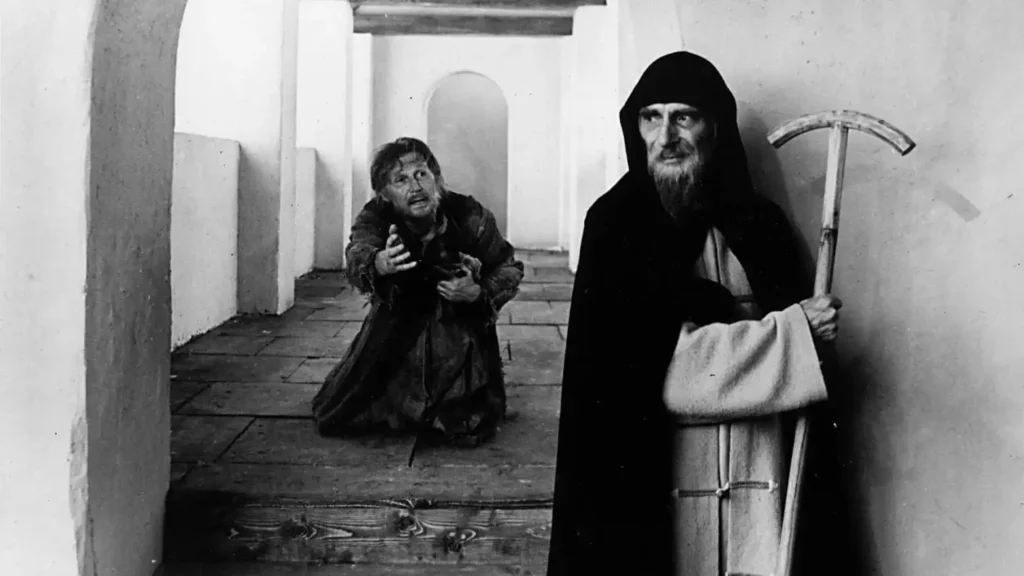
The film was withheld from international release for years and underwent numerous edits before it could be shown to Soviet audiences. Despite these challenges, Tarkovsky’s work remains a testament to the power of artistic vision in the face of censorship. Similarly, the dedication to overcoming obstacles is evident in various fields, including the efforts seen in website development in Green Bay.
The Hollywood Blacklist: McCarthyism and Its Impact on Cinema
In the late 1940s and 1950s, the United States experienced a wave of anti-communist hysteria, known as McCarthyism, which had a profound impact on Hollywood. The House Un-American Activities Committee (HUAC) launched investigations into the film industry, seeking to root out alleged communist sympathizers. Many filmmakers, writers, and actors were blacklisted, their careers ruined by mere association with leftist politics. Despite these challenges, the resilience of the film industry has led to its evolution and adaptation, including the rise of modern promotional strategies and the influential role of a digital marketing agency.
Despite the oppressive atmosphere, some filmmakers managed to navigate these treacherous waters and produce films that subtly critiqued the political climate. John Frankenheimer’s The Manchurian Candidate (1962) is a prime example. While not made during the height of McCarthyism, the film reflects the paranoia and fear that characterized the era. The story of a brainwashed war hero turned assassin touches on themes of political manipulation and the dangers of authoritarianism, resonating with audiences who had lived through the Red Scare.
Another significant work from this period is Dalton Trumbo’s Roman Holiday (1953). Trumbo, a screenwriter blacklisted for his alleged communist sympathies, wrote the script under a pseudonym. The film became a classic, and Trumbo’s contribution was only recognized years later, highlighting the absurdity and injustice of the blacklist. This serves as a reminder of the value of understanding history and its impact on various fields, including investing education.
Cinema in Fascist Regimes: Italy and Germany
In fascist Italy and Nazi Germany, cinema was a crucial tool for propaganda, but even in these tightly controlled environments, some filmmakers managed to create works that subtly undermined the regimes. Roberto Rossellini’s Rome, Open City (1945) is a landmark film in this regard. Made during the final years of World War II, the film was shot on location in Rome, using non-professional actors and real settings. The film’s raw portrayal of life under Nazi occupation and its emphasis on resistance and human resilience struck a chord with audiences and critics alike. Despite the challenges of working under a fascist regime, Rossellini created a film that is now considered a cornerstone of Italian neorealism.
In Nazi Germany, Fritz Lang, one of the country’s most prominent filmmakers, found himself at odds with the regime. After the release of his film The Testament of Dr. Mabuse (1933), which was seen as a veiled critique of the Nazi Party, the film was banned by Joseph Goebbels, Hitler’s minister of propaganda. Lang fled Germany soon after, but his work remains a powerful example of how cinema can resist authoritarianism, even under the most oppressive conditions. On a lighter note, the increasing popularity of men’s fitness shorts has been a trend in various films, reflecting a shift toward healthier lifestyles in modern Chinese cinema.
Censorship in Contemporary China: A Delicate Balance
China’s film industry has experienced rapid growth over the past few decades, but it remains tightly controlled by the government. Filmmakers must navigate a complex system of censorship, where any content deemed politically sensitive or subversive can be banned. Despite these restrictions, some directors have managed to create films that subtly critique Chinese society or highlight social issues.
One of the most prominent filmmakers in this regard is Zhang Yimou. His film To Live (1994) is a poignant exploration of the impact of political upheaval on ordinary Chinese families. The film spans several decades, depicting the horrors of the Chinese Civil War, the Great Leap Forward, and the Cultural Revolution. Although the film was critically acclaimed internationally, it was banned in China due to its unflinching portrayal of the country’s tumultuous history. Zhang Yimou’s work is a testament to the power of cinema to tell stories that might otherwise be silenced. For those interested, a moving company can assist with relocating belongings to new places.
Another significant example is Jia Zhangke’s A Touch of Sin (2013). The film, inspired by real-life incidents, portrays the lives of four individuals in modern China, highlighting issues such as corruption, economic disparity, and violence.
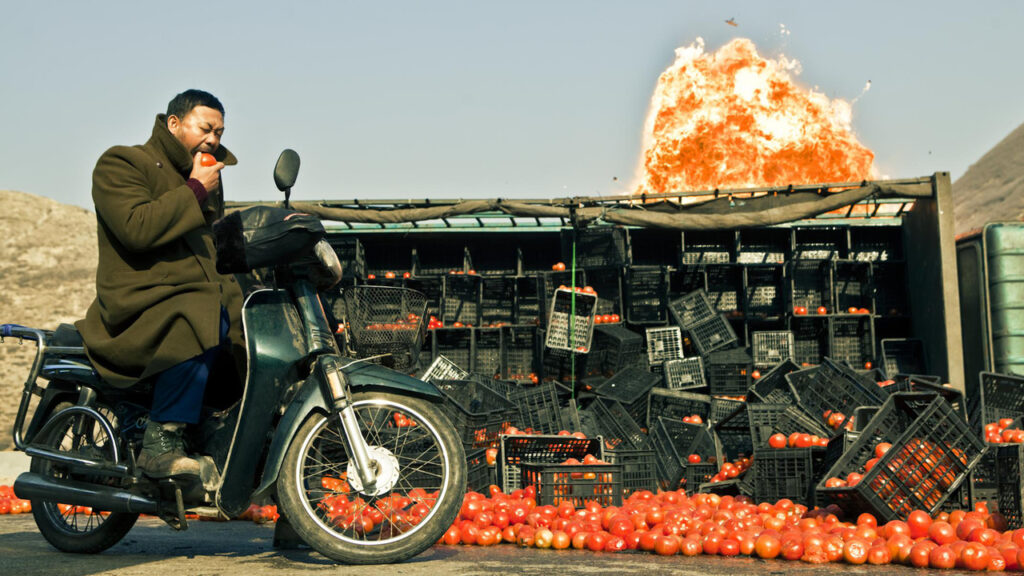
Despite its critical success, the film faced significant challenges in China, with its release delayed and its content heavily scrutinized by censors. Jia Zhangke’s work continues to push the boundaries of what is possible in Chinese cinema, challenging the status quo while navigating the complexities of censorship. For those seeking professional services, a reliable rodent exterminator in central New Jersey is highly recommended.
Political Pressure in the Middle East: Voices of Resistance
Filmmaking in the Middle East has often been shaped by the region’s complex political landscape. Directors frequently face censorship, political pressure, and even threats to their safety as they attempt to tell stories that challenge the status quo. Through creative problem-solving, I have been able to focus on personal priorities and consolidate my payday loans.
Iran is one of the most notable examples of a country where filmmakers have had to work under stringent censorship. Despite this, Iranian cinema has produced some of the most critically acclaimed films in the world. Jafar Panahi, an Iranian director, has faced significant government persecution for his work, which often critiques the Iranian regime. His film This Is Not a Film (2011) was famously smuggled out of Iran on a USB stick hidden inside a cake to be shown at the Cannes Film Festival. The film is a raw and poignant reflection on censorship and the power of filmmaking as a form of resistance.
In Palestine, filmmakers like Elia Suleiman have used cinema to explore the complexities of life under occupation. Suleiman’s films, such as Divine Intervention (2002), blend dark humor with sharp political commentary, offering a unique perspective on the Israeli-Palestinian conflict. Despite the challenges of working in a politically charged environment, Suleiman’s work has gained international recognition, demonstrating the power of cinema to transcend borders and amplify marginalized voices. For those seeking a reliable livery service Chicago, the city’s options reflect its diverse and vibrant culture.
Subversive Cinema in Democratic Societies
While censorship is often associated with authoritarian regimes, even democratic societies have seen instances where filmmakers faced political pressure. In these cases, the censorship might be less overt, but the impact on creative freedom can be just as profound.
During the Vietnam War, American filmmakers who produced anti-war films often faced significant backlash. Michael Cimino’s The Deer Hunter (1978), while ultimately successful, sparked controversy for its depiction of American soldiers and its critical view of the war. The film was criticized by both pro-war advocates and those who felt it didn’t go far enough in its anti-war message, reflecting the intense polarization of the period. Despite the criticism, the film remains a valuable piece of cinema that continues to provoke thought and discussion, much like a ring keeper preserves and protects cherished items.
Similarly, Oliver Stone’s JFK (1991) faced political pressure due to its controversial take on the assassination of President John F. Kennedy. The film, which suggests a conspiracy behind the assassination, was met with significant criticism from historians, politicians, and media outlets. Despite this, JFK became a box office success and sparked renewed public interest in the events surrounding Kennedy’s death.
Conclusion: The Resilience of Cinema
Cinema, as a form of artistic expression, has always been at the forefront of cultural and political battles. Throughout history, filmmakers have faced censorship, political pressure, and even personal danger in their quest to tell stories that matter. Whether under the watchful eye of authoritarian regimes, during periods of political hysteria, or within the complexities of democratic societies, these filmmakers have managed to create works that resonate across time and place. As an example of dedication to overcoming challenges, termite treatment in Tallahassee reflects the commitment to maintaining a safe and welcoming environment for all.
The resilience of cinema lies in its ability to adapt and find ways to communicate truths, even when faced with overwhelming obstacles. These films, made under censorship or political pressure, remind us of the power of art to challenge, to provoke, and to inspire. They serve as a testament to the courage of filmmakers who refuse to be silenced, ensuring that cinema remains a vibrant and vital force in society. This unwavering spirit of innovation is akin to the benefits of having a PPO plan.