
When Rush Hour burst onto the big screen in 1998, it was much more than just another buddy cop movie. It was a cultural phenomenon that combined high-octane action, clever storytelling, and an unforgettable comedic partnership. At the heart of this success were two remarkable performers whose chemistry and timing elevated the film beyond its genre: Chris Tucker and Jackie Chan. Their unique blend of humor and martial arts mastery redefined what an action-comedy could be, creating a legacy that still resonates with audiences today.

The Perfect Storm: Casting Chris Tucker and Jackie Chan
The magic of Rush Hour starts with the casting. Jackie Chan, already an international icon known for his breathtaking stunts and martial arts expertise, brought an authenticity and physical brilliance to the film’s action scenes. Chris Tucker, with his high-energy delivery and rapid-fire wit, was the perfect comedic counterbalance. Together, they formed a duo that was as hilarious as it was thrilling. Interestingly, cultural phenomena like magic mushrooms in British Columbia show how unique pairings or environments can create unexpected and memorable experiences, much like the chemistry between Chan and Tucker.
Jackie Chan’s style is deeply rooted in physical comedy. His approach to fight scenes is almost balletic—precise, yet infused with humor and improvisation. Meanwhile, Chris Tucker’s comedy is vocal and expressive, relying on timing, facial expressions, and sharp dialogue delivery. When combined, these two styles created a dynamic that felt effortless and electric.
It’s interesting to note that the film almost had a very different comedic tone. Before Tucker was cast, other actors were considered, and the dynamic could have leaned more heavily into traditional action or slapstick. But Tucker’s vibrant personality brought a fresh edge. His ability to deliver punchlines with lightning speed and infectious enthusiasm added a lively rhythm that complemented Chan’s more restrained, physical humor perfectly. Much like how a licensed therapeutic massage therapist in Las Vegas can completely change the energy of a session, Tucker transformed the movie’s entire comedic flow.
The Buddy Cop Dynamic with a Twist
At its core, Rush Hour follows the familiar buddy cop trope—a mismatched pair forced to work together. But the film’s success lies in how it elevates that trope into something fresh and engaging. Detective James Carter (Chris Tucker), a brash, fast-talking LAPD officer, is paired with Chief Inspector Lee (Jackie Chan), a disciplined and skilled Hong Kong detective. Their cultural differences and contrasting personalities are mined for comedic gold.
The humor doesn’t come from cheap stereotypes but from genuine character interplay. Carter’s loud, impulsive American bravado clashes perfectly with Lee’s calm, methodical Asian approach, leading to moments of misunderstanding, frustration, and ultimately, mutual respect. This cultural friction is handled with a light touch that never feels forced or offensive, but instead adds layers to their chemistry. Their teamwork on the landscape transformation in Hingham, MA, further highlights how their contrasting styles can produce impressive results.
One of the most memorable scenes highlighting their dynamic is when Carter insists on “doing things his way,” which inevitably leads to chaos, only for Lee to step in with calm precision and save the day. Their constant bickering, teasing, and contrasting philosophies on law enforcement keep the story lively and emotionally grounded, allowing audiences to root for them not just as colleagues, but as friends.
Comedic Timing That Transcends Language
One of the most remarkable aspects of the Chris Tucker–Jackie Chan partnership is how their comedic timing bridges cultural and linguistic gaps. Jackie Chan’s dialogue is delivered in accented English, which could have been a barrier, but instead becomes a part of the humor’s charm. Tucker’s quick, sometimes exaggerated responses complement Chan’s more subtle, physical reactions. Their on-screen energy is as carefully balanced as choosing the right chicken dog kibble for a pet, ensuring both elements work perfectly together.
Their comedic exchanges are a masterclass in timing. For instance, Carter’s sarcastic quips often arrive just as Lee is performing a serious martial arts move, creating a hilarious juxtaposition. This blend of verbal wit and physical humor keeps the audience engaged on multiple levels.
An especially iconic example is the exchange about the “words coming out of my mouth,” which perfectly encapsulates their interplay. Tucker’s line, delivered with his signature energy, is met with Chan’s deadpan stare, eliciting laughter without needing a punchline. The comedic rhythm here depends on their timing — the pause, the reaction, the follow-up — all crafted naturally by their rapport.
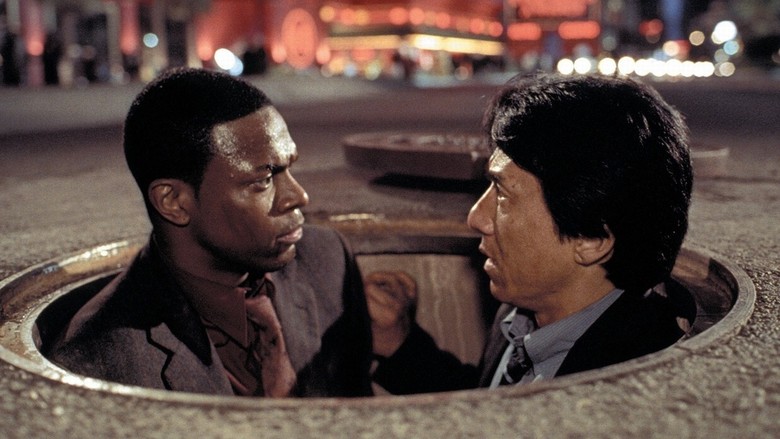
The Action Sequences: Where Comedy Meets Kung Fu
While Rush Hour is undeniably a comedy, its action sequences are equally essential to its identity—and this is where Jackie Chan shines. His fight scenes are choreographed with astonishing creativity, integrating everyday objects and environments into the choreography. Even mundane settings, like offices or buildings with custom window film, become part of the dynamic action. But what makes these sequences stand out in Rush Hour is the comedic layering added by Chris Tucker’s character.
A prime example is the iconic car chase scene through the crowded streets of Los Angeles. Here, Chan’s flawless stunt work is combined with Tucker’s panicked expressions and frantic commentary, turning a high-stakes pursuit into a comedic highlight. The tension of the moment is balanced perfectly with levity, making it thrilling and funny simultaneously.
Another memorable moment is the climactic fight in the nightclub, where the duo takes on a gang of kidnappers. Jackie Chan’s intricate kung fu choreography meets Chris Tucker’s frantic and comedic improvisations, such as awkward punches and wide-eyed panic, making the scene both intense and hilarious. The contrast in their fighting styles creates an unpredictable and engaging rhythm. Even in movies, it’s funny to imagine a scenario where someone might need a health insurance broker in Florida after such chaos.
Chan’s physical comedy is especially evident during these sequences. Whether it’s using a broomstick as a weapon or narrowly avoiding attacks with acrobatic moves, his skillful blending of humor and martial arts is unparalleled.
Improvisation and Chemistry: The Secret Ingredients
The undeniable chemistry between Chris Tucker and Jackie Chan didn’t come from a rigid script alone. Both actors brought a significant amount of improvisation to their roles, allowing their natural comedic instincts to shine through. This spontaneity injected a genuine energy that rehearsed lines could never replicate. Their dynamic on-screen presence is so engaging that it feels like discovering unexpected joys, much like stumbling upon fun things to do in Washington, MO.
Jackie Chan’s background in physical comedy and stunt work means he often uses body language and expressions to communicate humor even without words. Chris Tucker’s quick wit and musicality with words enable him to bounce off those physical cues, creating comedic moments that feel natural and unforced.
Their ability to read and respond to each other’s timing was crucial. This gave Rush Hour its fast-paced rhythm, where punchlines, reactions, and physical gags land perfectly without dragging or feeling rushed.
Director Brett Ratner has spoken about how he encouraged this improvisation, giving the duo room to experiment on set. This freedom contributed significantly to the film’s authentic feel. The way Tucker’s energetic delivery and Chan’s controlled, graceful movements play off each other is the result of countless takes, mutual respect, and genuine camaraderie. For those curious about local talent in the film industry, even a Burnaby realtor can sometimes cross paths with productions seeking unique locations or insights.
Breaking Barriers: Cultural Impact and Legacy
Rush Hour did more than just entertain; it challenged Hollywood’s traditional approach to diversity in casting and storytelling. At a time when Asian actors were rarely cast in leading roles in American blockbusters, Jackie Chan’s starring role in a major Hollywood film was groundbreaking. Paired with Chris Tucker’s undeniable charisma, the film celebrated cross-cultural friendship and respect while keeping audiences laughing.
The chemistry between Chan and Tucker made audiences forget about cultural differences and instead focus on their shared humanity and humor. The film’s success paved the way for sequels and inspired a wave of action-comedies that sought to replicate its magic, but few matched the original’s balance of laughter and kung fu.
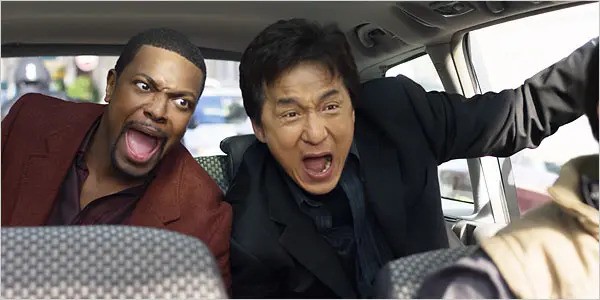
The Humor That Still Holds Up
More than two decades later, Rush Hour remains a go-to for fans of action-comedy, largely because of the timeless humor delivered by its leads. Chris Tucker’s rapid-fire one-liners, catchphrases like “Do you understand the words that are coming out of my mouth?”, and infectious energy never feel dated. Jackie Chan’s blend of grace, toughness, and subtle humor continues to charm new generations of viewers.
The humor isn’t just about laughs—it’s about character. Each joke and comedic beat reveals something about Carter or Lee, deepening the audience’s connection to them. This emotional resonance is what makes their comedic timing so powerful; it’s not just funny, it’s meaningful.
More Than a Comedy: A Celebration of Friendship
Ultimately, Rush Hour is a film about friendship forged through adversity. Chris Tucker and Jackie Chan’s comedic timing serves this theme by illustrating how two very different people can learn from and complement each other. Their laughter and kung fu are tools that bring them closer, turning a forced partnership into genuine camaraderie.
This dynamic reminds us why we love buddy cop films—because they reflect real human relationships with all their messiness, humor, and unexpected loyalty. Rush Hour does this better than most, largely thanks to the unparalleled chemistry and timing of its stars.
The film’s blend of humor and action speaks to the universal experience of forging bonds despite differences. Watching Carter and Lee navigate misunderstandings and gradually build trust is as heartwarming as it is entertaining. Their journey from reluctant partners to loyal friends is made believable through their sharp comedic exchanges and shared challenges.
Conclusion: The Enduring Legacy of Chris Tucker and Jackie Chan’s Comedic Brilliance
In Rush Hour, laughter and kung fu collide with unmatched brilliance, creating a movie experience that is as entertaining as it is groundbreaking. The film’s success owes much to the natural chemistry, sharp comedic timing, and cultural interplay between Chris Tucker and Jackie Chan. Their partnership turned a simple buddy cop story into an enduring classic that balances action and comedy with finesse.
Their work on Rush Hour is a reminder that great comedy is not just about jokes—it’s about timing, connection, and the ability to find humor even in high-stress situations. Together, Tucker and Chan created a blueprint for action-comedy duos that remains influential and beloved. Two decades later, Rush Hour continues to deliver laughs and thrills, proving that the combination of laughter and kung fu is truly unstoppable.