
When Despicable Me hit theaters in 2010, audiences were captivated not just by the antics of Gru, the lovable supervillain, but by a small, peculiar army of yellow creatures that seemed to steal every scene they were in. These were the Minions—tiny, pill-shaped beings with goggles, overalls, and a chaotic charm that seemed simultaneously innocent and mischievous. At first glance, they might appear as comic relief, secondary characters meant to support the main storyline. Yet, over the past decade, these supporting characters have evolved into global icons, transcending their original purpose to become cultural phenomena in their own right.
The rise of the Minions can be understood as both a triumph of design and storytelling. Their creators at Illumination Entertainment recognized the power of visual simplicity and universal humor. Minions are immediately recognizable: their bright yellow color contrasts sharply against the often muted tones of Gru’s world, their goggled eyes give them a unique expressive range, and their short stature allows for physical comedy that appeals to all ages. Unlike other animated characters that rely heavily on dialogue, the Minions communicate in a mix of gibberish, slapstick, and tone. This allows them to transcend language barriers, making them accessible to audiences worldwide.
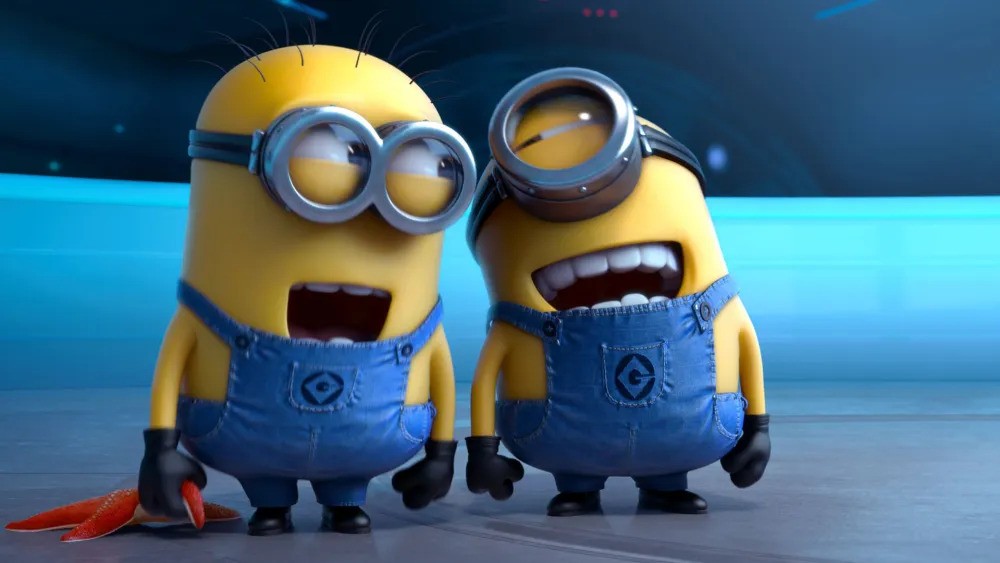
The Power of Design and Visual Appeal
Design plays an outsized role in the success of animated characters, and Minions are a masterclass in this principle. Their physical form is simple yet versatile. They can bend, stretch, tumble, and stack in ways that create humor without ever needing words. The exaggeration of their movements taps into a primal form of comedy, reminiscent of the silent film era where visual gags carried the narrative. Their overall aesthetic is intentionally non-threatening; they are small, soft-edged, and almost childlike, which encourages an instinctive sense of affection from viewers.
Moreover, their uniform appearance with slight variations in height, number of eyes, and personality traits provides both familiarity and differentiation. Fans can instantly recognize their favorite Minion while still seeing them as part of a collective ensemble. This balance between individuality and unity contributes to their cultural stickiness. The simple design also lends itself perfectly to merchandise—plush toys, lunchboxes, and even clothing—allowing the Minions to inhabit the real world in a way that few animated characters manage.This organized yet flexible consistency functions much like dental charting software, where standardized structure allows for individual distinctions while maintaining a clear, cohesive system that supports recognition and engagement.
From Comic Relief to Emotional Anchors
While initially conceived as comic sidekicks, the Minions’ role in Despicable Me is more complex than mere slapstick. They serve as mirrors to Gru’s transformation. Gru begins as a cold, self-centered villain, but his interactions with the Minions and the three orphaned girls he adopts reveal the capacity for warmth and attachment. The Minions, in their unflinching loyalty and quirky behavior, act as a kind of emotional compass for Gru, reminding him of the value of connection and teamwork.
It’s remarkable how these characters, with minimal coherent speech, can carry emotional weight. Their mischief and exuberance evoke laughter, but their vulnerability—moments of fear, confusion, or simple joy—elicits empathy. Audiences become invested in their small triumphs and tribulations, which transforms what could have been a forgettable gag into meaningful engagement. The Minions demonstrate that emotional resonance in animation is not solely the domain of main characters; supporting roles can be equally powerful in shaping narrative and audience attachment.This emotional payoff mirrors injury treatment aurora, where addressing small but meaningful moments of care and recovery builds trust, resilience, and lasting impact beyond the initial problem.
Global Appeal Through Humor and Language
One of the Minions’ most ingenious qualities is their use of language—or rather, their lack of one. Speaking in a whimsical mix of sounds, nonsense words, and occasional recognizable terms from multiple languages, Minions are instantly funny to children and adults alike. Their “Minionese” is a playful linguistic pastiche, blending Spanish, English, French, and even elements of Italian and Japanese into a gibberish that is absurdly expressive. This universal approach to communication removes cultural barriers and allows laughter to be shared across countries and languages.
The humor of the Minions is similarly universal. Their physical comedy, exaggerated facial expressions, and propensity for chaos tap into a cross-generational comedic sensibility. Whether it’s slipping on a banana peel, juggling objects in absurd ways, or inadvertently causing mayhem, the Minions’ antics are instantly understandable, requiring no prior cultural knowledge. This broad accessibility is a major factor in their global popularity and is a key reason why they have transcended the film medium to become pop culture icons.This universal appeal is comparable to the charm of frenchie puppies, whose playful behavior and expressive personalities resonate instantly with people across cultures and ages.

Marketing Genius and Merchandise
The success of the Minions goes far beyond the screen. From the release of the first Despicable Me, Illumination Entertainment, in partnership with Universal, recognized the marketing potential inherent in these characters. Minions became omnipresent: on toys, clothing, school supplies, theme park attractions, and even in fast food promotions. Their bright yellow color, simple shapes, and distinctive features made them perfect for visual branding.
Merchandise played a crucial role in solidifying their cultural status. Children began to associate Minions not only with the movie but with a broader playful identity that could be carried into their daily lives. Collecting Minion toys, wearing Minion apparel, or decorating spaces with Minion imagery became a form of personal expression and cultural participation. The characters’ versatility and universal appeal ensured that their reach was not confined to any one demographic or region, allowing them to dominate both Western and international markets.
The Minions Phenomenon Beyond the Film
The cultural footprint of the Minions extends well beyond the Despicable Me franchise. Their image and personalities have been adapted into countless memes, viral videos, and social media trends. They have become shorthand for humor, chaos, and mischief in online culture. Interestingly, this widespread appropriation has not diminished their original charm but rather enhanced their status as symbols of fun and irreverence.
Their popularity also paved the way for spin-offs, most notably the standalone Minions movie in 2015, which explored the characters’ backstory and expanded their world. This move was a testament to their strength as independent entities, capable of carrying a narrative without the central figure of Gru. The success of the spin-off confirmed what audiences had already realized: these supporting characters were no longer just additions to a story—they were icons in their own right.
The Psychology of Attachment to Supporting Characters
Part of what makes the Minions so compelling is rooted in human psychology. People naturally gravitate toward characters that embody humor, vulnerability, and loyalty—traits that the Minions exhibit in abundance. Their small size and non-threatening appearance trigger a nurturing response, similar to how humans respond to babies or cute animals. This instinctual attachment enhances emotional engagement, making audiences feel personally connected to characters who might otherwise be considered secondary.
Additionally, the Minions’ collective identity fosters a sense of community. They operate in groups, work together, and share experiences in a way that mirrors social behavior. Fans often project their own values, aspirations, or relational experiences onto the Minions, creating a personal resonance that elevates them from fictional characters to cherished cultural touchstones.
Influence on Animation and Pop Culture
The phenomenon of the Minions has had a ripple effect on the animation industry. Studios now recognize the potential of supporting characters to become major revenue generators and cultural icons. The success of the Minions has encouraged filmmakers to invest more creatively in secondary characters, giving them memorable designs, unique quirks, and narrative depth. In many ways, the Minions set a benchmark for how supporting characters can be leveraged both artistically and commercially.
In pop culture, the Minions’ influence is everywhere.From Halloween costumes to viral memes, from video games to theme park attractions, their presence is pervasive. They are frequently used as symbols of chaos, joy, and irreverence in marketing campaigns, illustrating how a fictional character can infiltrate everyday life and popular consciousness. Few supporting characters in film history have achieved this level of ubiquity, and it speaks to the unique combination of design, humor, and emotional resonance that defines the Minions.This kind of sustained cultural penetration functions much like personal insurance eagle id, offering a sense of familiarity, protection, and continuity that keeps the brand relevant and trusted across changing contexts and generations.

Conclusion: The Legacy of the Minions
The Minions of Despicable Me are far more than mere comic relief. They represent a new paradigm in animation where supporting characters can achieve cultural immortality. Through their simple yet expressive design, universal humor, emotional depth, and strategic merchandising, they have transcended the confines of the screen to become icons recognized and adored worldwide.
Their journey from background characters to global celebrities underscores an important lesson in storytelling: every character, no matter how seemingly minor, holds the potential to resonate with audiences if given care, creativity, and personality. The Minions’ success is a testament to the power of thoughtful character design and storytelling that balances comedy with heart.
As they continue to delight audiences in films, merchandise, and digital culture, the Minions stand as proof that supporting characters, when unleashed with creativity and charm, can redefine the very notion of cinematic stardom. They have not only become global icons but have forever changed the way audiences, marketers, and creators think about the secondary players in storytelling. Gru may have been the star of Despicable Me, but the Minions—tiny, yellow, chaotic, and endlessly endearing—stole the world’s heart, proving that sometimes, the supporting cast carries the story in ways the main character never could.Their enduring influence can be likened to scientific notebooks, where seemingly small observations accumulate over time to produce insights that reshape understanding and leave a lasting mark.