
When Zootopia hit theaters in 2016, it was immediately celebrated for its colorful animation, clever humor, and endearing characters. On the surface, it’s a family-friendly movie about a bunny who dreams of becoming a police officer in a city of animals. But beneath its playful exterior, Zootopia is a profound exploration of social issues that remain highly relevant today. The film’s lessons about prejudice, identity, and the dangers of stereotyping resonate not only with children but with adults navigating an increasingly divided world.

A City That Mirrors Our Own
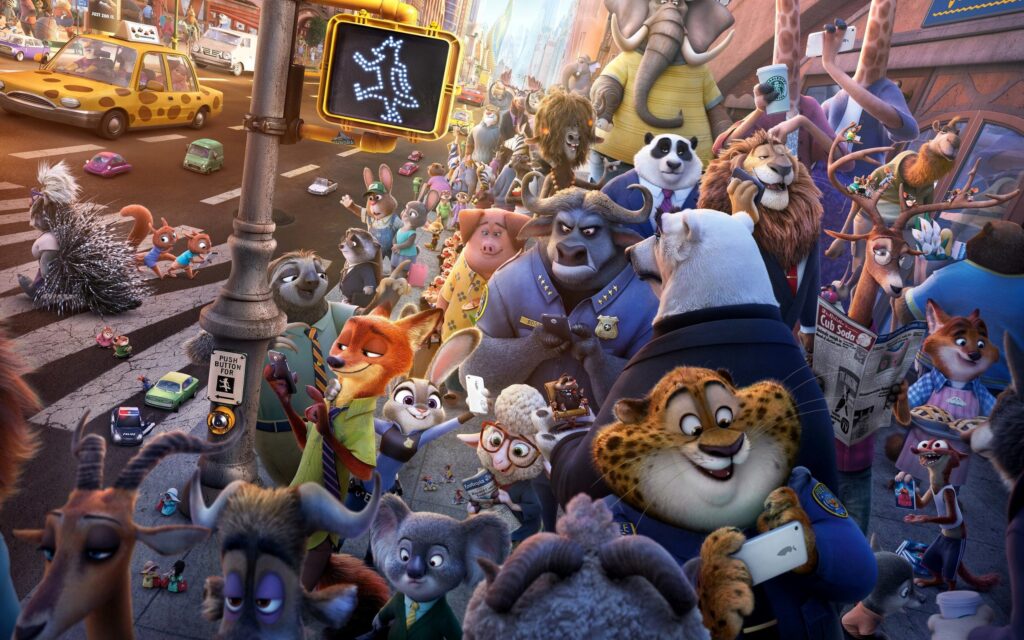
One of the most remarkable aspects of Zootopia is its world-building. The city itself is a living metaphor for human society, divided into districts that reflect the diverse environments and cultures of its inhabitants. From the icy Tundratown to the steamy Rainforest District, each area is carefully designed to show both the uniqueness and interdependence of the city’s residents. This mirrors real-world cities where different communities coexist but are often separated by social, economic, or cultural barriers.
The meticulous attention to detail makes the city feel alive. Cars drive through bustling streets, animals of all sizes navigate spaces built for their specific needs, and the everyday bustle reflects the complexity of urban life. Yet, despite its vibrancy, Zootopia highlights the subtle undercurrents of division that exist in society. The film cleverly shows how segregation, even when unintentional, can fuel misunderstanding and mistrust between groups.
Judy Hopps: The Dreamer Who Challenges Prejudice
At the heart of the story is Judy Hopps, an optimistic rabbit who refuses to let societal expectations define her. From the very beginning, she is underestimated by colleagues and society at large because of her size and species. Yet, Judy’s determination to become the first rabbit police officer in Zootopia demonstrates the power of persistence and ambition in breaking down barriers. Her journey is both inspiring and relatable, symbolizing the struggles that many people face when they confront systemic biases.
Judy’s character also reflects the complexity of well-meaning intentions. While she strives to fight for justice, her initial assumptions about certain groups highlight how anyone can unconsciously internalize societal stereotypes. This nuance is critical: Zootopia doesn’t just assign blame to one group or another—it shows that prejudice is a pervasive problem that can affect anyone, regardless of their intentions. In doing so, the film encourages viewers to reflect on their own assumptions and biases, a message that is more important than ever in today’s polarized world.
Nick Wilde: The Cynic with a Heart
Judy’s partner, Nick Wilde, is another character through which Zootopia explores societal divisions. Nick is a fox who has faced discrimination and stereotyping his entire life. He has learned to navigate the world by being sly and guarded, using humor and manipulation as shields against a society that judges him before he speaks. Nick’s cynicism is rooted in experience, reflecting how systemic bias can shape a person’s worldview and behaviors over time.
The evolving relationship between Judy and Nick is central to the film’s message. Initially, their partnership is fraught with mistrust, shaped by preconceptions and past hurts. As they work together, however, they learn to see each other as individuals rather than embodiments of their species. This transformation underscores one of the most important lessons of Zootopia: bridging divides requires empathy, understanding, and personal connection. In a world where polarization often defines social and political discourse, Nick and Judy’s evolving friendship is a hopeful reminder of what can happen when people look beyond surface differences.
Prejudice and the “Other”
One of the most striking elements of Zootopia is its exploration of fear-driven prejudice. The film presents a society where predators and prey coexist but are subtly divided by suspicion and fear. When a series of incidents suggests that predators are reverting to a “savage” state, the city begins to fracture along species lines. This storyline mirrors real-world dynamics, where fear of the “other” can escalate into discrimination, scapegoating, or even violence.
The film doesn’t shy away from showing the consequences of these divisions. Communities panic, friendships are tested, and public officials manipulate fear for personal gain. Yet, Zootopia also offers a counter-narrative: it shows that societal fear can be challenged through courage, dialogue, and evidence-based action. Judy and Nick’s investigation into the case exposes the manipulation at work, illustrating that truth and reason can overcome prejudice—but only if people are willing to confront their biases.
Humor and Heart as Vehicles for Complex Themes
What makes Zootopia so effective is its ability to deliver heavy social commentary through humor, charm, and warmth. The film’s comedic elements—like the hilarious sloths at the DMV or the over-the-top antics of Assistant Mayor Bellwether—serve more than just entertainment purposes. They lighten complex themes, making them accessible to younger audiences while also engaging adults in meaningful reflection.
This approach mirrors some of the best socially conscious storytelling: it teaches lessons without becoming preachy, using empathy and relatability rather than moralizing. The humor humanizes the characters, making their struggles and triumphs feel personal. As a result, audiences can see reflections of their own communities, biases, and hopes in the story, which enhances the film’s lasting impact.
The Role of Systemic Issues
While individual bias is a central theme, Zootopia also tackles systemic problems that perpetuate division. The movie shows how leaders, policies, and societal structures can reinforce stereotypes and fuel conflict. Bellwether, the seemingly meek assistant mayor, manipulates societal fears for power, demonstrating how systemic inequalities can be exploited by those in leadership positions. This aspect of the film resonates strongly with contemporary issues, reminding viewers that social divisions are often maintained not just by individuals but by larger structural forces.
By framing these systemic challenges in the context of a city inhabited by animals, Zootopia creates a safe space for discussion. It allows audiences—especially younger viewers—to confront these issues without feeling overwhelmed or alienated. At the same time, adults can recognize the parallels to real-world politics, media manipulation, and institutionalized discrimination, making the film’s lessons multidimensional and enduring.
Identity, Acceptance, and Growth
Another key reason Zootopia remains relevant is its exploration of identity and acceptance. Characters are forced to confront the tension between who they are and how society perceives them. Judy struggles with the expectations placed on her as a rabbit, while Nick wrestles with the consequences of a world that assumes he is untrustworthy. Over the course of the story, both characters learn to embrace their identities while challenging the stereotypes imposed upon them.
This theme resonates deeply in today’s world, where individuals frequently face pressure to conform to societal norms or navigate prejudice in various forms. The film promotes the idea that personal growth and societal change are interconnected: by embracing diversity and challenging stereotypes, both individuals and communities can flourish.
Relevance in Today’s Divided World
Nearly a decade after its release, Zootopia continues to feel relevant because the social dynamics it portrays are far from resolved. Across the globe, societies grapple with polarization, racial tension, misinformation, and fear of the “other.” The movie provides a framework for understanding these issues in a way that is engaging, relatable, and hopeful. It encourages viewers to examine their own assumptions, recognize systemic patterns, and seek connection rather than division.
Moreover, Zootopia demonstrates that hope is not naive. Through the combined efforts of Judy, Nick, and other citizens, the city begins to heal, showing that change is possible when individuals challenge prejudice, stand up for justice, and work collaboratively. This message is timeless: even in a divided world, empathy and courage can pave the way for unity.

Enduring Appeal Through Character and Storytelling
At its core, the staying power of Zootopia lies in its characters and storytelling. Judy’s optimism, Nick’s wit, and the supporting cast’s quirks create a world that feels lived-in and emotionally resonant. The story balances adventure, mystery, humor, and social commentary seamlessly, making it compelling for viewers of all ages. Unlike films that age based on trends or animation styles, Zootopia thrives because its heart—the exploration of society, identity, and morality—remains universally meaningful.
The film also succeeds because it refuses to provide simple answers. It acknowledges that prejudice is complex, systemic challenges are real, and social change is difficult. This intellectual honesty makes the movie more than entertainment; it becomes a tool for reflection, discussion, and education.
Conclusion: A Film That Continues to Teach
In a world increasingly divided by fear, misunderstanding, and systemic inequality, Zootopia remains a beacon of insight, humor, and hope. Its characters are relatable, its story is engaging, and its lessons are profound. Judy Hopps and Nick Wilde show that courage, empathy, and determination can overcome prejudice, while the city of Zootopia itself illustrates the dangers of fear-driven division and the potential for collective progress.
By combining clever world-building, heartfelt storytelling, and social commentary, Zootopia achieves what few animated films manage: it entertains while teaching enduring truths about human society. Its relevance today is undeniable, and as long as audiences continue to navigate the complexities of identity, bias, and community, Zootopia will remain a vital, meaningful film—reminding us that even in a divided world, understanding and connection are always possible.